

The Rise of Regional Infrastructure in North American Esports
 7
7
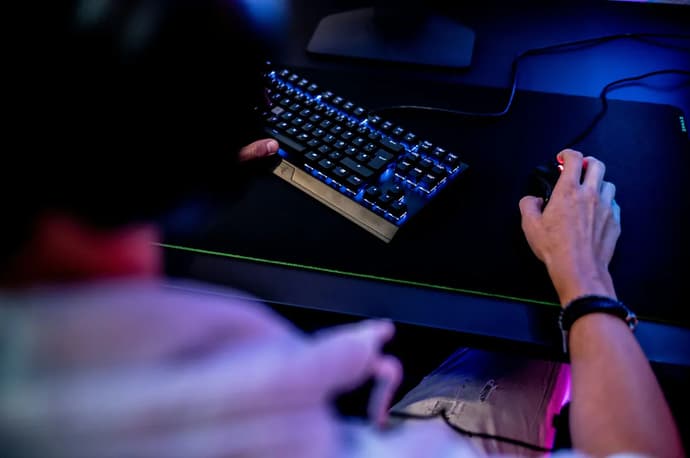
For years, the North American esports industry operated mostly in the cloud, with teams living in scattered gaming houses and tournaments held in temporary venues. However, 2026 marks a turning point where physical infrastructure has become the main driver of value and stability. Investors and organizations are no longer just buying player contracts; they are pouring concrete, building performance centers, and establishing regional hubs that anchor teams to specific communities.
This change symbolizes a maturation of the sector, moving it closer to the traditional sports model where location matters. The development of these physical assets is about creating a sustainable ecosystem that supports talent development, content creation, and local fan engagement. As the industry stabilizes after the volatility of previous years, the focus has squarely landed on building permanent foundations that can weather market fluctuations and foster long-term growth.
Developing Dedicated Training Facilities for Local Teams
The concept of the "gaming house", where players lived and worked in the same residential building, is rapidly becoming a relic of the past. In its place, professional organizations are constructing high-performance training facilities that separate workspace from living space, mirroring the operational standards of the NBA or NFL.
This professionalization is evident across major regional hubs, with distinct identities emerging in different parts of the country. The West Coast, particularly Los Angeles, continues to lead with headquarters for top-tier professional teams, while the Midwest is carving out a niche as a central development ground.
A recent PokerStrategy analysis of the US poker market highlights this point from a different angle. Leading poker sites are no longer competing solely on traffic volume, but on software quality, player development tools, loyalty ecosystems, and brand positioning. The platforms that invest in structured ecosystems tend to retain players more effectively than those relying purely on liquidity.
Esports organizations are following a similar trajectory. The West Coast, particularly Los Angeles, continues to host headquarters for top-tier professional teams, while the Midwest is emerging as a development hub.
These facilities serve multiple purposes beyond simple practice sessions. They function as content studios, merchandise retail points, and venues for local watch parties, effectively monetizing the physical space on non-game days.
By establishing a permanent footprint, organizations are deepening their ties to local demographics, moving away from the placeless nature of online fandom. This regionalization strategy is crucial for sponsorship sales, as it allows brands to target specific geographic markets rather than relying solely on global, often diluted, digital impressions.
The Impact of Collegiate Programs on Talent Pipelines
Perhaps the most significant infrastructure development is occurring not at the professional level, but on university campuses. Higher education has embraced competitive gaming as a legitimate recruitment and retention tool, leading to massive capital projects designed to attract the next generation of tech-savvy students.
These are not retrofitted computer labs; they are purpose-built arenas and broadcast studios that rival professional setups. Recent data reveals that 92% of U.S. esports-supporting collegiate institutions have invested in dedicated esports facilities, with total historic spending exceeding $190.1 million.
This investment creates a structured pipeline for talent that was previously nonexistent in North America. Unlike the chaotic path to pro play seen in the early 2020s, aspiring competitors now have access to coaching, sports psychology, and high-end equipment through scholarship programs.
The University of Texas at Dallas, for example, recently set a new standard with its "Comets Landing" facility, signaling that universities are willing to spend millions to secure their position in the ecosystem. This collegiate infrastructure provides a safety net for the industry, churning out not just players but broadcasters, analysts, and team managers equipped with real-world experience.
Navigating the Regulatory Landscape of Competitive Gaming
As the physical footprint of esports expands, so does the scrutiny from regulatory bodies. The "Wild West" era of unregulated tournaments and opaque team operations is fading as state and federal agencies take a closer look at the industry's financial flows. This is particularly relevant as the integration of betting partners becomes more deeply entrenched in the revenue models of tournament organizers and teams. Ensuring competitive integrity has moved from a moral obligation to a legal necessity, especially following the match-fixing scandals that plagued tier-two scenes in previous years.
The intersection of esports and iGaming requires a sophisticated approach to compliance, mirroring established gambling sectors. Stakeholders are increasingly looking to mature markets to understand how to balance growth with consumer protection.
For instance, industry analysts reviewing a can see how rigorous regulatory frameworks ultimately stabilized the online casino sector, a trajectory that esports betting is now beginning to follow. By adopting these proven standards, the esports industry aims to legitimize its wagering arm, ensuring that the commercial growth derived from betting data and partnerships does not compromise the sport's integrity.
Predicting the Trajectory of US Esports Dominance
The combination of physical infrastructure, collegiate pipelines, and regulatory clarity points toward a robust growth period for the North American market. The instability that caused team withdrawals and league restructuring in 2024 and 2025 has forced a necessary correction, leaving behind a leaner, more resilient industry. The focus has changed from inflated valuations based on hype to tangible revenue streams generated through ticket sales, local sponsorships, and regulated betting markets.
The financial outlook reflects this renewed confidence in the sector's structural health. Market analysis indicates the U.S. esports market was valued at USD 536.4 million in 2025, projected to reach USD 1,185.9 million by 2034 at a CAGR of 8.94%. This growth will likely be driven by the very infrastructure being built today, as regional venues begin to host a higher frequency of medium-scale events, reducing reliance on massive, infrequent international majors. Ultimately, the concrete poured in 2026 will serve as the foundation for the industry's economic engine for the next decade.

Катерина Приходько - креативный автор и надежный контрибьютор EGamersWorld, известная своим увлекательным контентом и вниманием к деталям. Она сочетает повествование с четким и продуманным общением, играя большую роль как в редакционной работе платформы, так и в закулисных взаимодействиях.


 Лучшее оружие в Марафоне: Мета и тиерлистНаш окончательный список уровней оружия в Marathon на март 2026 года. Откройте для себя мету, найдите лучшие пушки и доминируйте в следующем матче.
 vitaliiD
 Обзор нового класса Warlock в Diablo IV: Дата выхода, способности, скиныОвладейте мастерством варлока в Diablo 4! В нашем руководстве мы расскажем о дате выхода игры 28 апреля, уникальных ресурсах, таких как Гнев и Доминирование, мощных умениях и новых легендарных предметах для расширения Lord of Hatred.
 Chillplay
 League of Legends For Demacia Battle Pass Season 1 Act 2: награды и дата выходаРуководство по League of Legends For Demacia Season 1 Act 2 Battle Pass. Узнайте о стоимости 1650 RP, релизе 4 марта, а также обо всех доступных косметических предметах и бесплатном прохождении.Chillplay
 MIDA: Награды и квесты фракции "МарафонПолное руководство по фракции MIDA в Marathon: контракты, апгрейды, награды и бонусы. Узнайте, как быстро заработать репутацию и доминировать в рейдах с помощью тактики саботажа.
 fauesde
 #690
#690 QWENTRY
 #45
#45 Eternal FireСмотреть матч